Physical Address
304 North Cardinal St.
Dorchester Center, MA 02124
Physical Address
304 North Cardinal St.
Dorchester Center, MA 02124

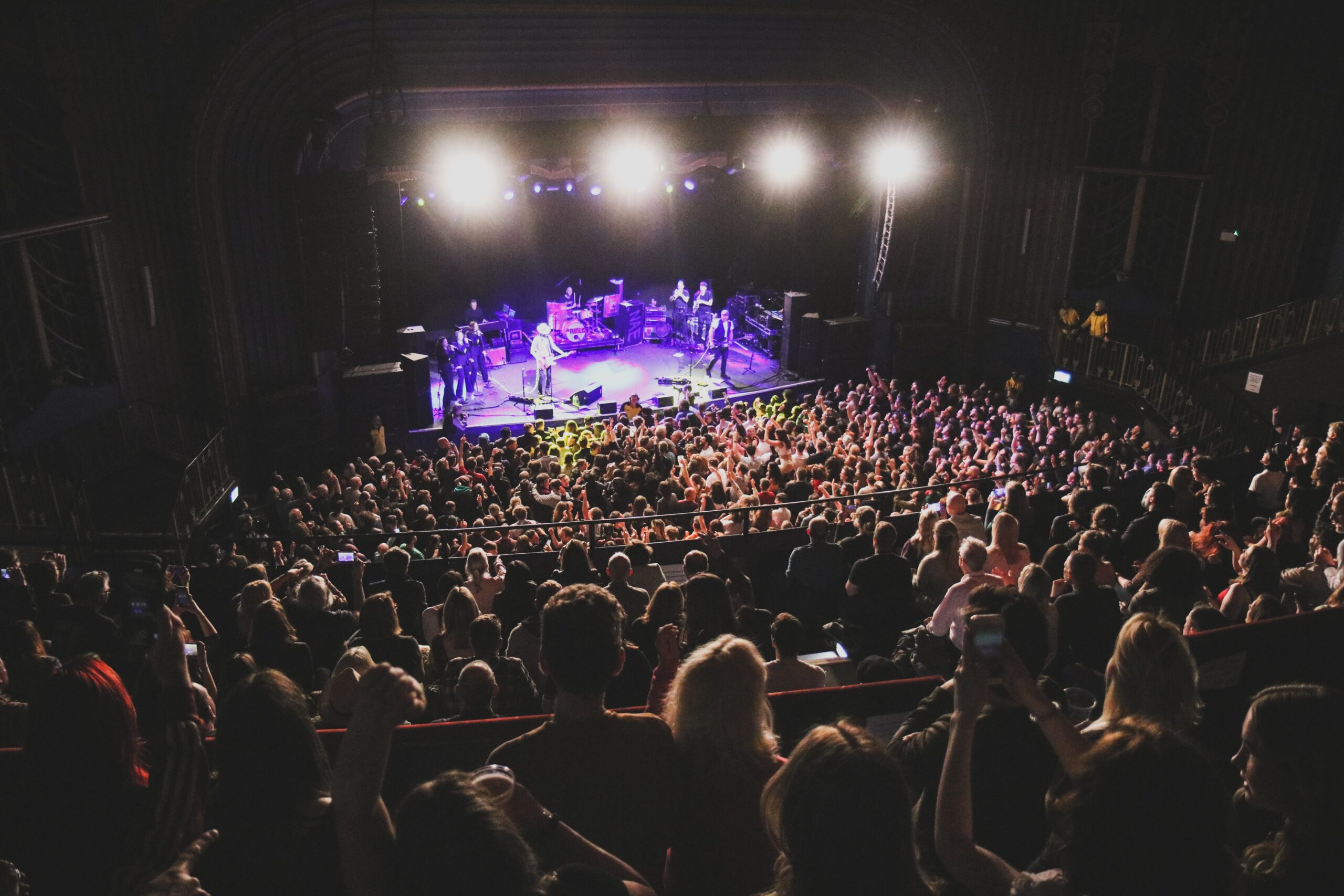
The term “indie landfill” generally refers to the wave of mid-2000s indie rock bands that were seen as instantly forgettable, quickly lost in the sheer weight of such music that came out at the time.
But it has always been a lazy term, and I think it says more about the people using it than it does about the music itself. Here I’ll look at why I’ve always hated the term and why it has become more outdated than ever.
Indie landfil refers to bands with wildly different sounds, ambitions, and levels of success, and dismisses them in one sweeping motion. That kind of broad-brush criticism might feel satisfying, but it’s intellectually thin.
It avoids any type of critical thought about why this music was so popular and why fans connected with it so much. It’s a wide dismissal of many bands who, in reality, were very good and would have done well in any era.
Of course, there were common themes around that time. It was dominated by jangly guitars, tight jeans, and a certain laddish aesthetic. Yet, there was also real diversity in the space. Some acts were all about sharp songwriting with emotional weight, others brought more of a rawness and energy that we’ve not really seen since.
Not every band was groundbreaking, but they didn’t need to be. Some of them didn’t last, but that’s always going to happen in any genre. Many more who were labelled as “indie landfill” are still widely successful today.
“Indie landfill” flattens everything into a single, sneering narrative. We usually remember the highlights and forget the rest. The problem with “indie landfill” is that it pretends the highlights never existed.
Even more irritating is the way the term is often used as a marker of taste. Calling something “indie landfill” has become a way of signaling that you’re above it, that your musical preferences are more refined, more discerning.
It’s a subtle form of gatekeeping, dressed up as wit. As if every band has to be as deep as Radiohead or The Cure. In reality, taste isn’t improved by tearing things down. If anything, it just narrows your perspective.
Music scenes are messy, contradictory, and full of tension. That’s what makes them interesting. The mid-2000s indie boom wasn’t perfect, but it was alive. It had momentum. It got people excited about guitar music again at a time when we desperately needed it. Just as we do now.
It created a sense of community, both in clubs, gigs, and festivals, as well as in a broader cultural sense. People cared. They showed up. They argued about bands, swapped recommendations, and built identities around the music they loved. Reducing all of that to “landfill” feels not just unfair, but willfully dismissive.
There’s also an undercurrent of class and cultural snobbery that’s worth acknowledging. Many of the bands associated with this label came from working-class backgrounds, and their music often reflected that. It was direct, unpolished, and sometimes rough around the edges. I loved it, I still do.
The backlash against them can feel like a rejection of that authenticity in favor of something more “tasteful” or “artful.” Not every song needs to be a masterpiece. Sometimes, a track captures a moment. Play one of these tracks in an indie club this weekend? Just see the fun people still have decades later.
The reality is that it wasn’t an era of proverbial landfill; it was a golden era that hasn’t been replicated since. There are some good bands around at the moment, for sure, but nowhere near the same level. And there is currently a dearth of iconic acts to hold up the genre and provide songs that define decades.
When people look back on that era, they do so with a smile on their faces. Not a “I can’t believe we used to like that” vibe. The bands were brilliant, the songs were great. They aren’t forgotten. If you’re anything like me, they still get played today.
You don’t have to love every band from that era. You don’t even have to like most of them. But writing the whole thing off with a glib label does a disservice to what it was, and what it meant to the people who were there for it.
Back in the mid 2000s, it was hard to keep up with all the great bands out there. It was a time when indie rock music was at its peak. And if I’m being honest, I’d love another era of “indie landfill” happening all over again.