Physical Address
304 North Cardinal St.
Dorchester Center, MA 02124
Physical Address
304 North Cardinal St.
Dorchester Center, MA 02124

I’ve never been a fan of the term “indie landfill”. Even for bands that did burn brightly then fade away, they still added to the joy of the era. Yet there are bands that had a great deal of success that still get labelled with this term.
Entire bands with distinct identities, strong songwriting, and lasting legacies found themselves lumped into a category that suggested they were disposable. Here are 10 bands that have most lazily been called ‘indie landfill’ when, in fact, they are still great bands.
Few bands suffered more from revisionist history than Razorlight. At their peak, they were one of the biggest rock bands in Britain, producing massive singles like “America,” “Golden Touch,” and “In the Morning.” Their self-titled second album reached number one and showcased a group that comfortably blended indie rock with influences from classic British guitar music.
Razorlight had ambition, melody, and a knack for writing songs that sounded equally at home on radio playlists and festival stages. They may have become unfashionable, but it feels like some people have forgotten just how good the songs were. And as with many bands here, they have still produced a lot of great stuff since that era. Their recent album, released in 2024, was a lot of fun and they are still a joy to watch live.
The Pigeon Detectives are often dismissed as one of the defining indie landfill bands, yet that label ignores what made them successful in the first place.
Their debut album, Wait for Me, captured the energy of Britain’s thriving live music scene in the late 2000s. Tracks like “I’m Not Sorry” and “Take Her Back” were packed with infectious hooks and genuine enthusiasm.
Not every band needs to reinvent rock music to have value. The Pigeon Detectives excelled at writing fast, energetic indie songs designed to get crowds moving. They understood their strengths and delivered them consistently.
That may not be revolutionary, but it is far from disposable.
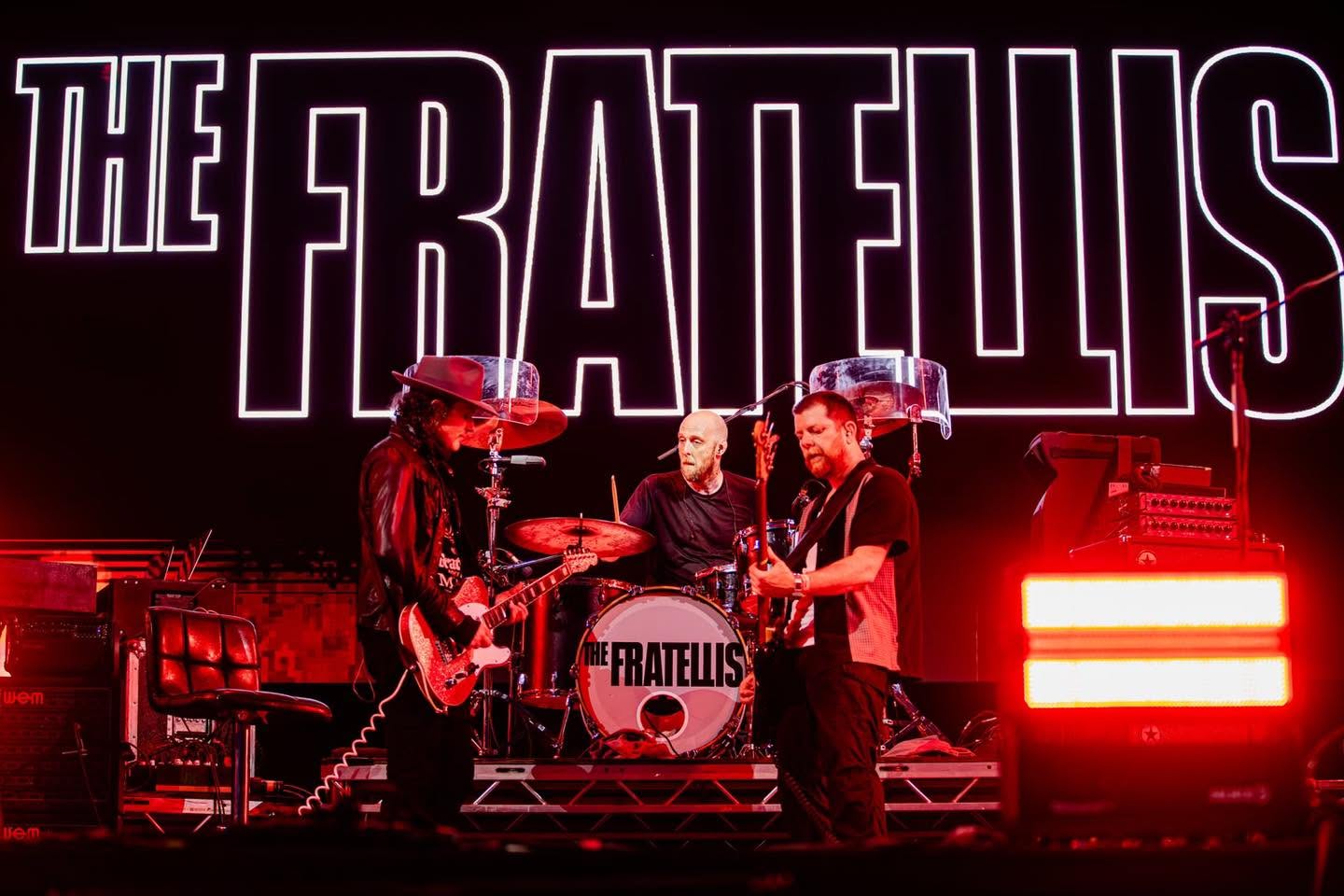
The Fratellis deserve far more credit than they usually receive. Not only are they one of the best Scottish bands of all time, but one of the best from the golden era of indie music.
Their debut album Costello Music was one of the defining records of its era, filled with huge choruses, witty lyrics, and a distinctive blend of glam rock, punk, and indie influences. Songs like “Chelsea Dagger,” “Whistle for the Choir,” and “Henrietta” remain staples of British popular culture nearly two decades later.
Very few so-called indie landfill bands produced songs with that level of longevity. The Fratellis had a unique personality that immediately separated them from many of their contemporaries. Their music felt playful, charismatic, and unmistakably their own.
The Kooks are one of the clearest examples of a band being unfairly grouped into a movement they largely transcended.
While they emerged during the same period as many indie bands, their music drew heavily from folk, Britpop, and classic singer-songwriter traditions. Luke Pritchard’s songwriting focused on melody and storytelling rather than simply chasing dancefloor-ready indie anthems.
Their debut album Inside In/Inside Out has aged remarkably well, with songs such as “Naive,” “She Moves in Her Own Way,” and “Seaside” continuing to attract new listeners.
The fact that younger audiences are still discovering and streaming these brilliant songs today demonstrates that The Kooks offered something far more enduring than the indie landfill label suggests.
The Enemy brought a level of social realism that many of their peers lacked. Drawing comparisons to bands like The Jam, they wrote songs about working-class life, frustration, and modern Britain.
Tracks such as “Away From Here” and “We’ll Live and Die in These Towns” resonated because they reflected real experiences rather than simply documenting nights out and failed relationships.
Their debut album remains one of the strongest British rock debuts of the 2000s. Calling them indie landfill overlooks the substance that sat beneath their anthemic sound.
If any band on this list clearly doesn’t belong under the indie landfill banner, it is Hard-Fi. Their debut album Stars of CCTV was one of the most innovative British records of the decade. Mixing indie rock with dub, ska, electronic music, and social commentary, the band created a sound that stood apart from virtually everyone else around them.
Songs like “Hard to Beat,” “Cash Machine,” and “Living for the Weekend” painted vivid pictures of modern working-class life while remaining irresistibly catchy.
Hard-Fi were creative, ambitious, and genuinely distinctive. The fact they are sometimes grouped alongside far more conventional acts feels completely unjustified. Not only that, but their recent album was great as well.
The Wombats have proven their longevity better than almost any band associated with the late-2000s indie scene.
While early hits like “Let’s Dance to Joy Division” made them festival favourites, they evolved significantly over time. Albums such as Beautiful People Will Ruin Your Life and Fix Yourself, Not the World demonstrated a willingness to incorporate electronic elements and explore more mature themes.
Many indie landfill bands faded away once trends changed. The Wombats adapted, developed, and continued attracting large audiences well into the 2020s. That kind of staying power doesn’t happen by accident.
Courteeners have always occupied a strange place in British music. Nationally, they are sometimes overlooked compared to their contemporaries. Yet in parts of Northern England, particularly around Manchester, they have achieved near-legendary status.
Albums such as St. Jude and Falcon contain some of the strongest songwriting to emerge from the post-Britpop era, with many incredible songs in their repertoire. Liam Fray’s lyrics combine sharp observations with emotional honesty, creating songs that fans develop deep personal connections with.
The band’s loyal following has remained remarkably strong for nearly two decades, something that simply doesn’t happen with truly disposable music. They were, and still very much are, simply a great band. God bless them.
Kaiser Chiefs often get taken for granted because of how successful they became. Their debut album Employment was packed with memorable singles, including “I Predict a Riot,” “Everyday I Love You Less and Less,” and “Modern Way.” The record combined sharp social observations with instantly recognisable hooks.
Unlike many bands from the era, Kaiser Chiefs developed a distinct identity. Ricky Wilson’s charismatic vocals and the band’s quirky songwriting ensured they stood out from the crowd. Selling millions of records and producing songs that remain widely recognised today is hardly the mark of a throwaway indie band.
Critically acclaimed throughout their career, the Wakefield trio built a reputation on authenticity, artistic integrity, and consistently strong songwriting. Their influence extends far beyond commercial chart success.
Albums such as Men’s Needs, Women’s Needs, Whatever and Ignore the Ignorant earned widespread praise, while their DIY ethos made them heroes within alternative music circles.
The Cribs were often rough around the edges, but that was part of their appeal. They represented the spirit of independent guitar music far more than the stereotypes associated with indie landfill.
The indie landfill label exists for a reason. The mid-2000s did produce plenty of guitar bands that vanished as quickly as they appeared. However, I still don’t like the term for those bands as they achieved more success than most musicians could ever have dreamed of.
Yet for these 10 bands above, the term feels particularly unfair. Most of these bands are still going strong, delighting fans on their own shows and on the festival circuit. They may have shared a moment in time, yet they offered far more than the “indie landfill” tag ever gave them credit for.